
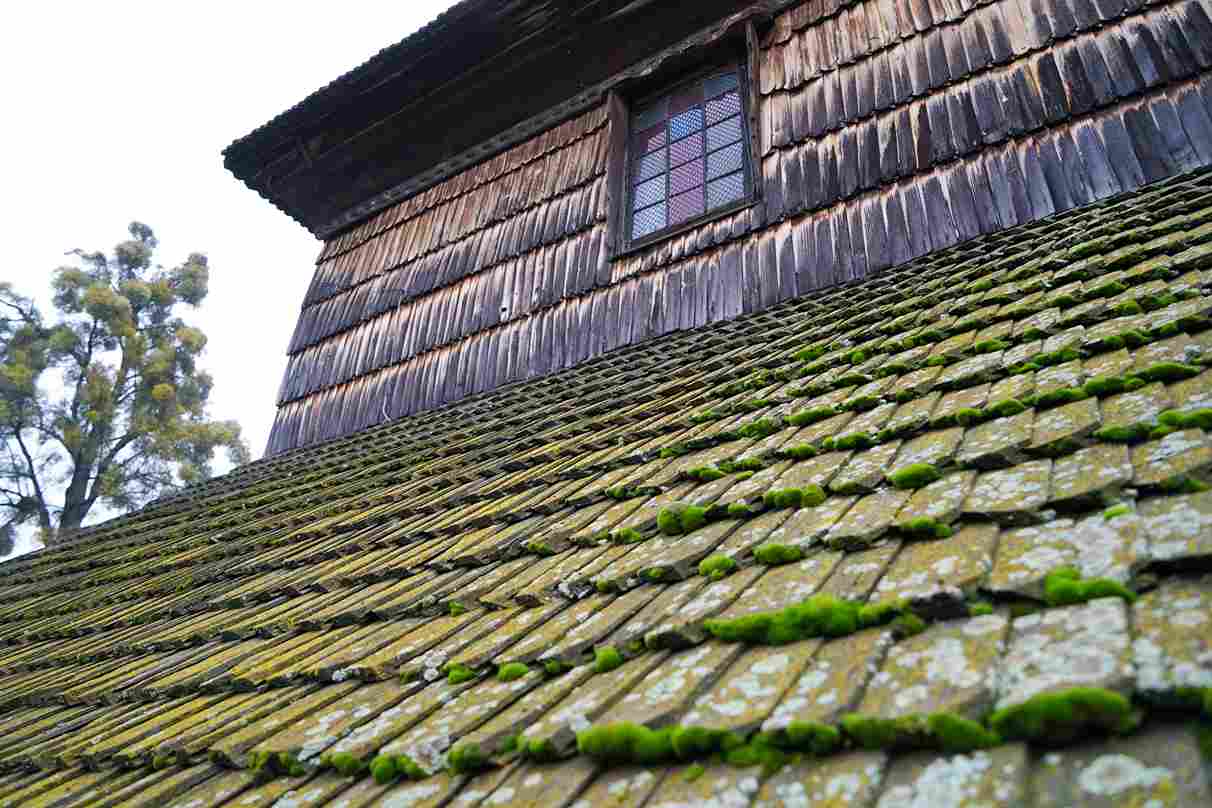
Missouri’s humid summers and the shaded, tree-lined neighborhoods around Lake Ozark create ideal conditions for moss to take hold on roofs. What starts as a small green patch can quietly trap moisture, lift shingles, and shorten a roof’s lifespan long before homeowners notice any visible damage.
This guide walks Lake Ozark homeowners through safe DIY roof moss removal steps, the most common mistakes to avoid, and the warning signs that mean it’s time to call a professional roofing team instead of climbing the ladder.
Why Moss Grows on Roofs
Moisture and Shade Create the Perfect Environment
Moss thrives wherever moisture lingers and sunlight is limited. Roof sections that stay damp longest after rain, especially a north-facing roof, offer exactly the kind of cool, shaded surface moss needs to spread.
Trees Around Your Home Increase Moss Growth
Overhanging branches block sunlight and drop leaves and twigs that trap moisture against the roofline. This gutter debris buildup keeps shaded roof areas damp for days after a storm, giving moss spores time to settle in.
Which Roofing Materials Are Most Vulnerable?
- Asphalt shingles — porous surface holds moisture and is the most common host for moss.
- Wood shake roof surfaces — naturally absorbent and prone to moss and rot.
- Tile roofing — textured surfaces can trap debris in grout lines and edges.
- Metal roofing — least vulnerable, since its smooth surface sheds water quickly.
Why You Should Never Ignore Roof Moss
Water Damage Beneath Shingles
As moss grows, it lifts shingle edges and holds water directly against the roof deck, creating an entry point for leaks that often go unnoticed until they reach the attic.
Shortened Roof Lifespan
Constant moisture retention accelerates shingle granule loss, weakening the shingles’ protective coating and reducing the roof’s overall lifespan.
Mold and Mildew Growth
Trapped moisture beneath moss-covered shingles can seep into the attic and roof deck, creating conditions for mold and mildew that affect indoor air quality.
Higher Energy Costs
Moisture-laden, moss-covered roofing reduces insulation efficiency, which can make HVAC systems work harder and drive up energy bills during Missouri’s humid summers.
Costly Roof Repairs Later
Left untreated, moss-related roof rot and structural damage can turn a simple cleaning job into a full section replacement.
Signs Your Roof Has a Moss Problem
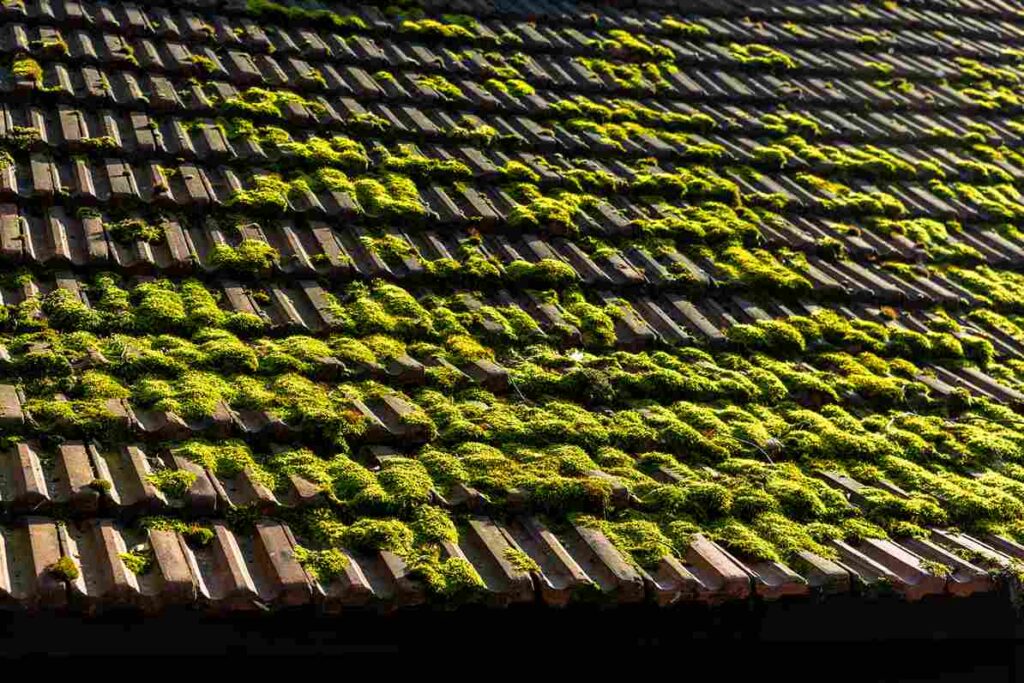
- Green patches appearing on shaded or north-facing roof sections
- Thick moss clumps along the ridge or roof valleys
- Lifted or curling shingles near moss growth
- Water stains on interior ceilings near exterior walls
- Clogged gutters from moss and debris washing off the roof
- Roof discoloration, including black streaks on roof surfaces caused by algae (often mistaken for moss)
Safety First Before You Start DIY Roof Moss Removal
Wear Proper Safety Equipment
Non-slip shoes, work gloves, and eye protection are essential. A safety harness is strongly recommended for steeper roof pitches.
Choose the Right Weather
Work on a dry, overcast day. Wet shingles are slippery, and direct sun can cause cleaning solutions to evaporate before they have time to work.
Use a Stable Ladder
Set the ladder on level ground, extend it at least three feet above the roofline, and have someone stabilize it from below.
Never Walk on a Wet Roof
Moss-covered shingles are especially slick when damp. Wait for a fully dry day before stepping onto the roof surface.
Know Your Limits
Steep slopes, multiple stories, or large moss coverage are strong signals to leave the job to a professional roof cleaning crew.
Step-by-Step Guide to Remove Moss From Your Roof Safely
Step 1: Remove Loose Debris
- Clear leaves, twigs, and branches from the roof surface
- Use a soft broom or leaf blower to avoid scratching shingles
Step 2: Gently Brush Away Moss
- Use a soft-bristle brush only — never a wire brush
- Always brush downward, in the direction of the shingles
- Avoid pressing hard enough to lift or crack shingle edges
Step 3: Apply a Roof-Safe Moss Cleaner
Commercial roof moss treatment products formulated with potassium salts or fatty acids are generally the safest option for asphalt shingles.
- A diluted vinegar-and-water solution can work for very light moss, but should be tested on a small area first.
- Always check shingle manufacturer recommendations before applying any chemical treatment to avoid voiding coverage.
Step 4: Let the Solution Work
Most roof-safe cleaners need 15 to 30 minutes of contact time. Resist the urge to rinse early — rushing this step reduces effectiveness.
Step 5: Rinse Carefully
Use a garden hose with a spray nozzle, working from the top of the roof down. Never use a high-pressure washer on asphalt shingles — it strips protective granules and can force water beneath the roofing layer.
Step 6: Clean Your Gutters
- Remove moss and debris that washed down during rinsing
- Restore proper drainage so water doesn’t pool and reintroduce moisture
- Helps prevent the moss cycle from starting again
Common Roof Moss Removal Mistakes Homeowners Make
- Using a pressure washer, which strips granules and damages shingles
- Using bleach at full strength instead of a properly diluted, roof-safe solution
- Walking on steep roofs without proper fall protection
- Scraping moss aggressively instead of brushing gently
- Ignoring already-damaged shingles uncovered during cleaning
- Skipping gutter cleaning after moss removal
- Waiting too long, allowing light moss to become a thick, rooted infestation
How to Prevent Moss From Coming Back
Trim Overhanging Trees
Cutting back branches increases sunlight exposure and reduces the leaf debris that feeds future moss growth.
Keep Gutters Clean
Routine gutter cleaning prevents standing water and trapped debris that keep the roofline consistently damp.
Improve Roof Sunlight Exposure
Where possible, reducing shade on persistently damp roof sections makes the surface far less hospitable to moss spores.
Schedule Annual Roof Inspections
A yearly roof inspection catches early moss growth and minor shingle damage before either becomes a costly repair.
Install Zinc or Copper Strips
Installing zinc strips for roof moss or copper strips for roof moss prevention near the ridge allows rainwater to carry trace metals down the roof surface, naturally inhibiting new moss and algae growth for years.
When DIY Roof Moss Removal Isn’t Safe
Some situations call for professional roof cleaning services rather than a weekend DIY project:
- Steep roof pitches that make safe footing difficult
- Large moss coverage across multiple roof sections
- Existing roof leaks or visible interior water stains
- Damaged, cracked, or missing shingles uncovered during inspection
- Older roofing systems nearing the end of their service life
- Multi-story homes requiring extended ladder access
- Recent storm damage that hasn’t been professionally assessed
| DIY Moss Removal | Professional Moss Removal |
|---|---|
| Best for small, light moss patches | Best for heavy or widespread infestations |
| Suitable for one-story, low-pitch roofs | Required for steep or multi-story roofs |
| Surface cleaning only | Includes full roof inspection |
| Lower upfront cost | Higher upfront cost, less long-term risk |
| Requires homeowner time and labor | Faster, safer, and warranty-safe |
Why Homeowners in Lake Ozark Choose Professional Roof Moss Removal
Professional roof moss removal services offer advantages that go well beyond a cleaner-looking roof:
- Safer equipment designed specifically for roof surfaces, reducing fall and damage risk
- A full roof inspection is included with most professional cleanings, catching issues early
- Proper cleaning products matched to the specific roofing material
- Identification of hidden moisture damage before it spreads further
- Long-term roof protection through correctly applied prevention treatments
- Manufacturer warranty protection, since improper DIY cleaning can sometimes void shingle warranties
How Roof Lux Helps Protect Roofs in Lake Ozark
As a GAF-partnered roofing contractor serving Lake Ozark and the surrounding Camden County area since 2016, Roof Lux helps homeowners catch moss-related issues before they turn into expensive repairs.
Our team supports the full lifecycle of roof health, including:
- Roof inspections to catch moss, moisture damage, and wear early
- Roof leak repair for moisture that has already reached the roof deck
- Shingle roof replacement when moss damage has gone beyond repair
- Storm damage roof repair following Missouri’s seasonal weather
- Metal roofing installation for homeowners seeking a moss-resistant alternative
- Gutter services to keep water moving away from the roofline
- Preventive maintenance plans to keep moss and algae from returning
If moss has already taken hold, or you’d simply rather not risk the ladder, our team is a phone call away for a free roof estimate.
Frequently Asked Questions
Can moss damage my roof?
Yes. Moss retains moisture against the shingle surface, which can lift shingles, accelerate granule loss, and lead to leaks if left untreated.
Should I pressure wash my roof?
No. High-pressure washing strips protective granules from asphalt shingles and can force water beneath the roofing layer, leading to leaks.
What time of year is best for moss removal?
Early spring or fall, when moss is actively growing and weather conditions are typically dry and mild, offers the best results.
Does homeowners insurance cover moss damage?
Coverage varies by policy. Moss is generally considered a maintenance issue, but resulting storm or water damage may be covered. Roof Lux can help homeowners navigate roof damage insurance claims when storm-related damage is involved.
How much does professional roof moss removal cost?
Moss removal cost depends on roof size, pitch, and the extent of growth. Most Lake Ozark homeowners get the most accurate number through a free, no-obligation roof inspection.
Conclusion
Roof moss should never be ignored. What looks like a minor cosmetic issue can quietly trap moisture, lift shingles, and shorten the life of an otherwise healthy roof.
Light moss growth can often be handled safely with the DIY steps above. But steep roofs, heavy moss coverage, or any sign of existing damage call for a professional eye.
Before a small patch of moss turns into a costly repair, Lake Ozark homeowners can schedule a free roof inspection with the Roof Lux team and get a clear, honest assessment of their roof’s condition.